Each packaging type on this page is made by a different kind of machine. Find the pack your product needs on shelf, then go to the machine page that makes it.
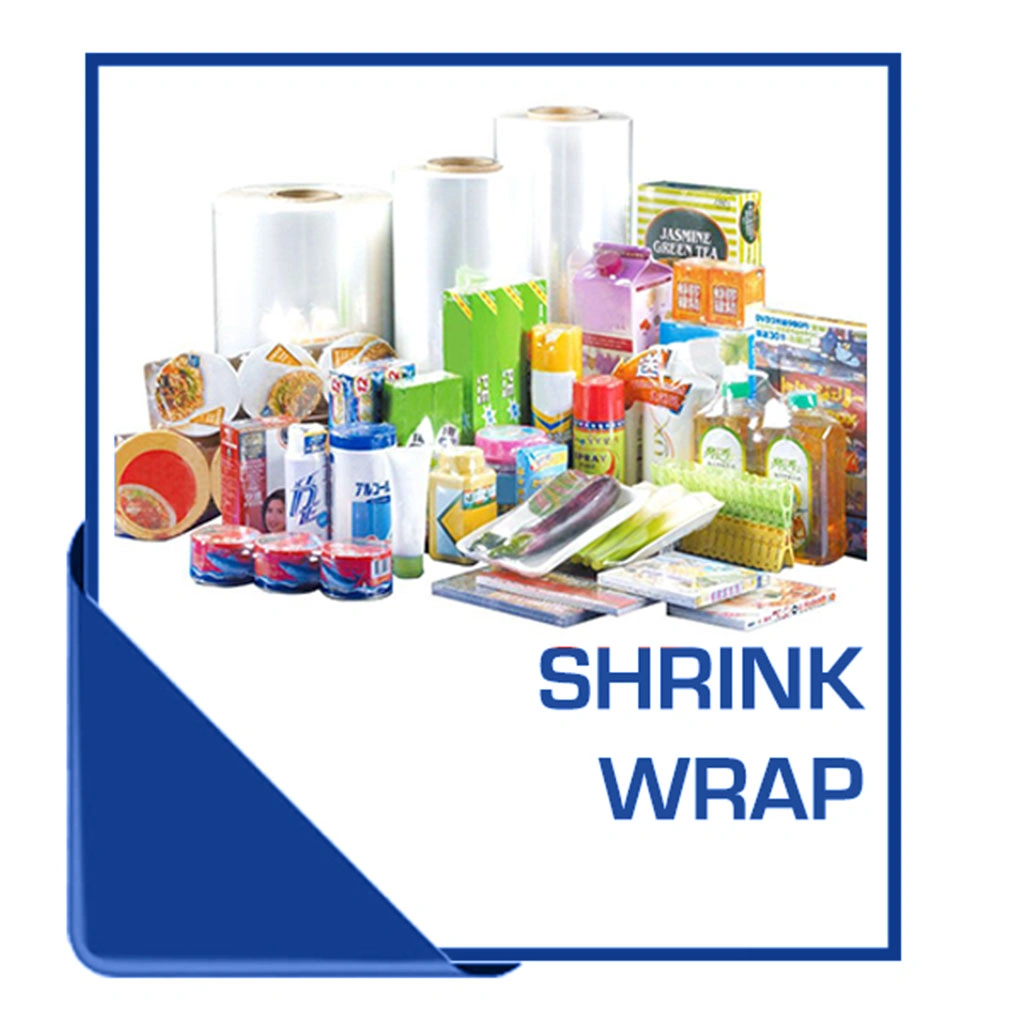
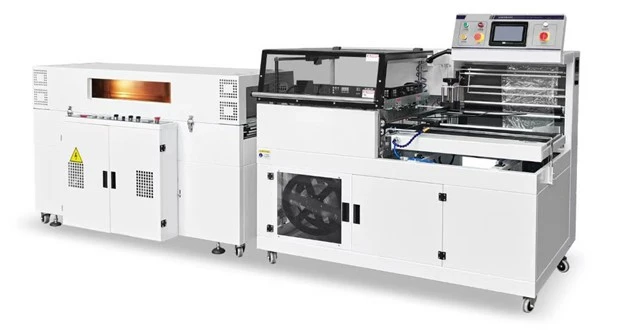
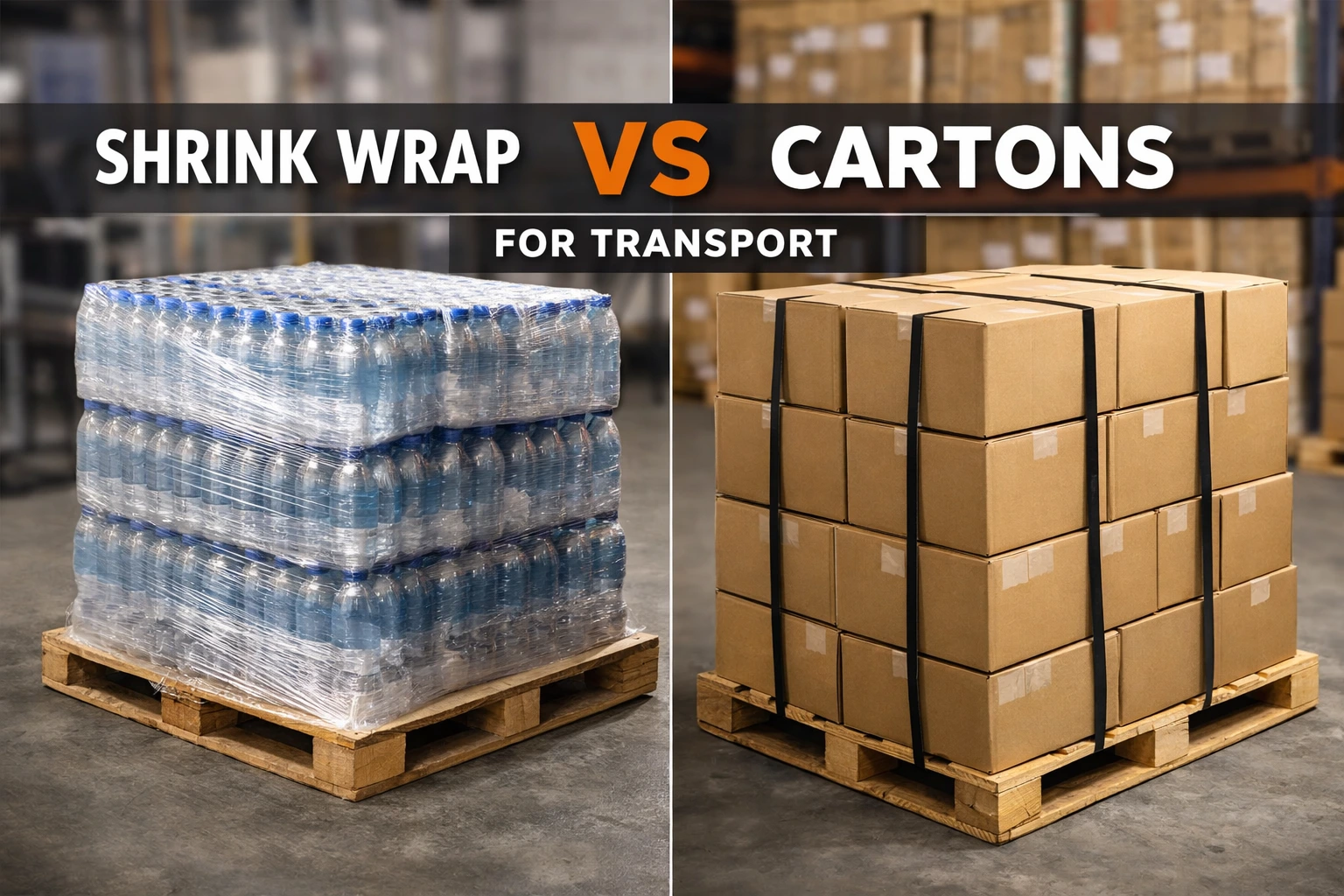
Shrink wrap packaging seals film around a product or a group of products, then heat shrinks it tight. It protects and bundles retail packs, multipacks, bulk goods and pallets.
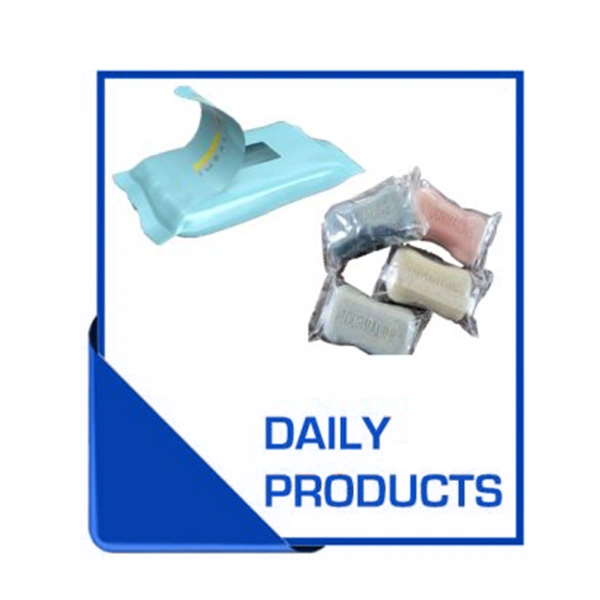
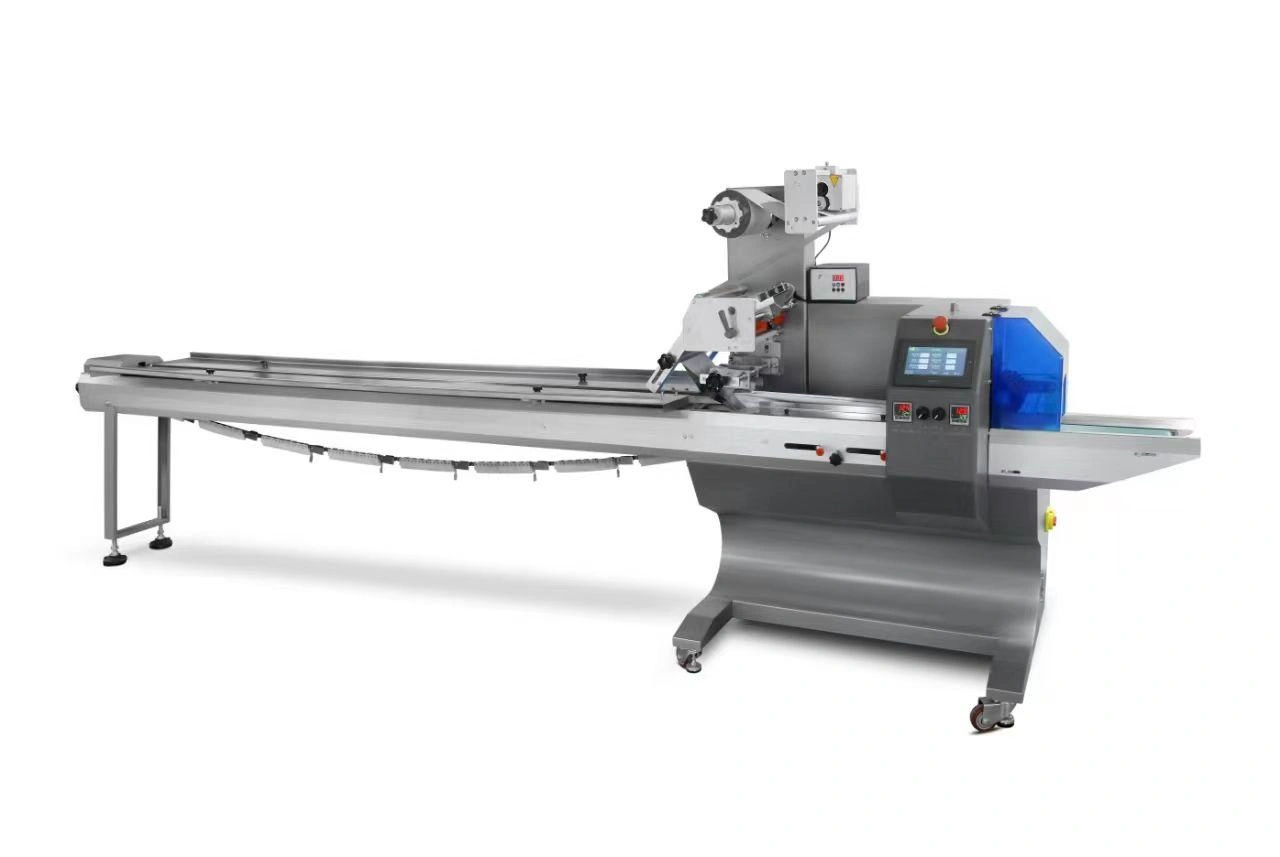
Flow wrap packaging wraps individual items in printed or clear film at high speed, sealed along the length and at both ends. It suits snacks, bars, daily-use products, medical items and hardware.
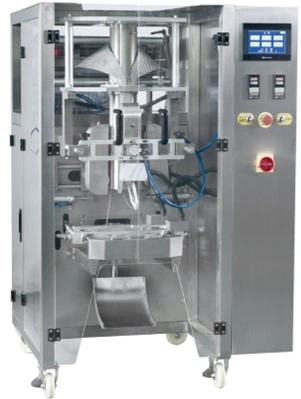
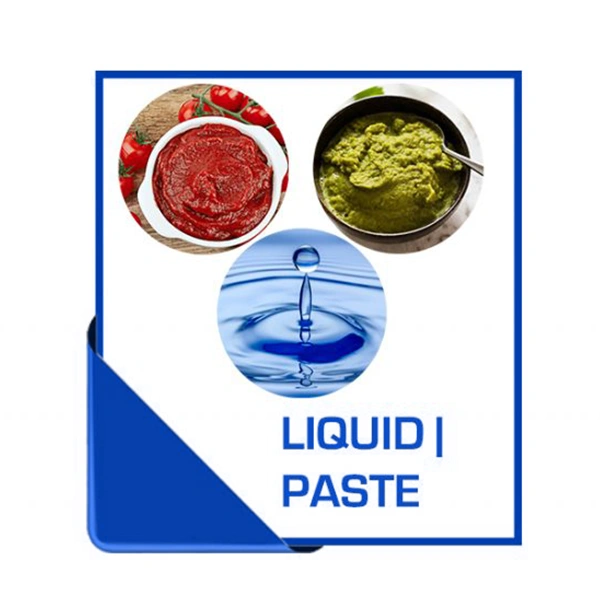
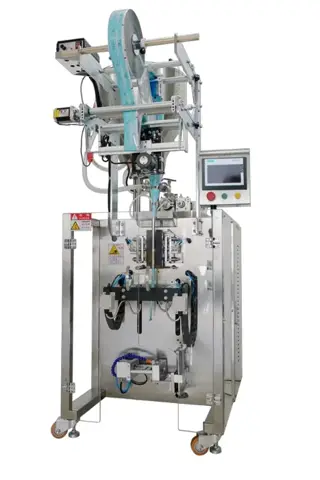
A vertical form fill seal (VFFS) machine forms a bag from roll film, fills it and seals it in one cycle. It is an automated, cost-effective way to bag powders, granules, grains, liquids and pastes.
Bags from a few grams up to 50 kg are covered on the bagging machines page.
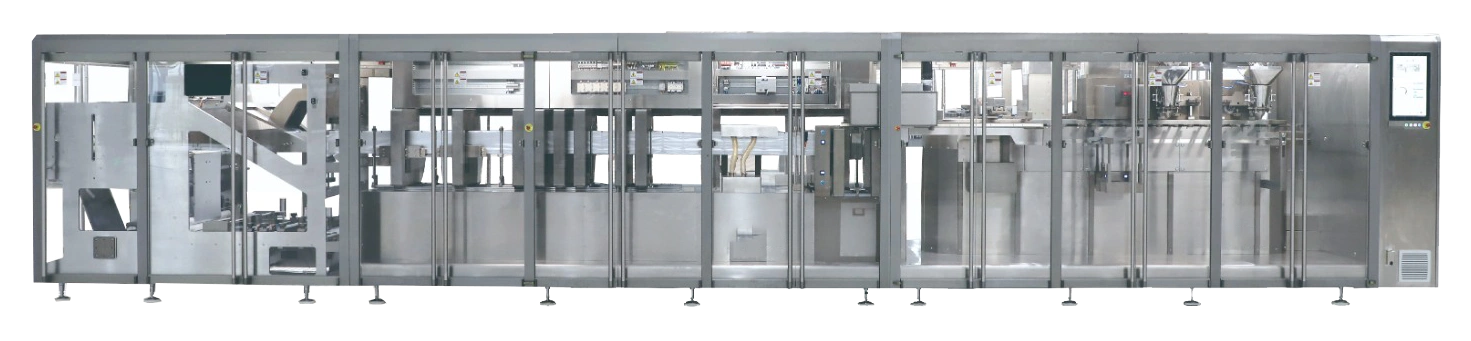
A horizontal form fill seal (HFFS) machine forms the pouch from roll film on its side, then fills and seals it. It suits solid products that need precise packing in food, medical and consumer goods.
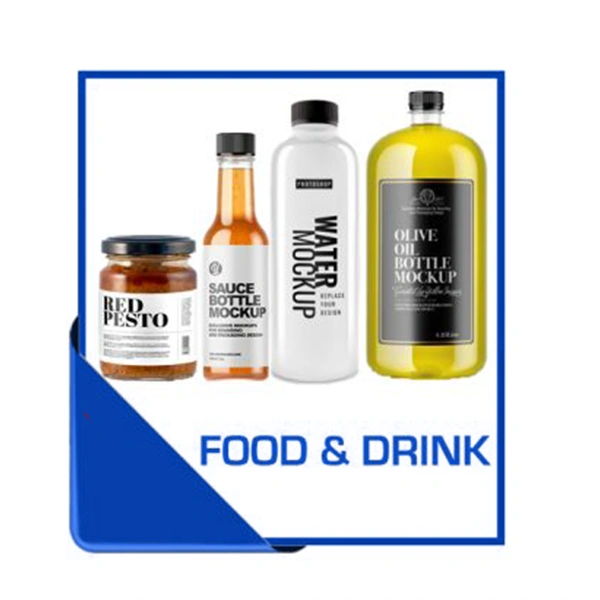
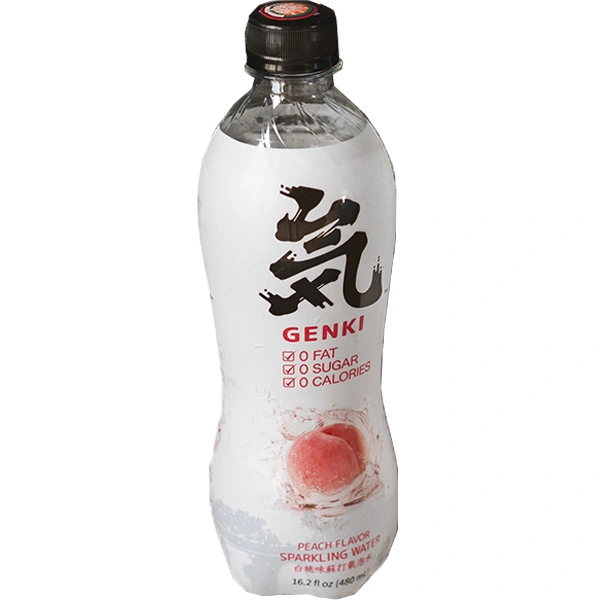
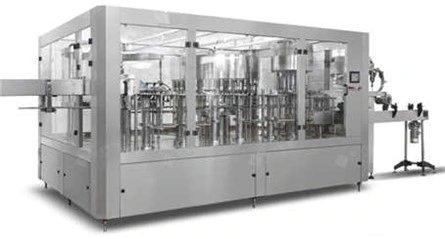
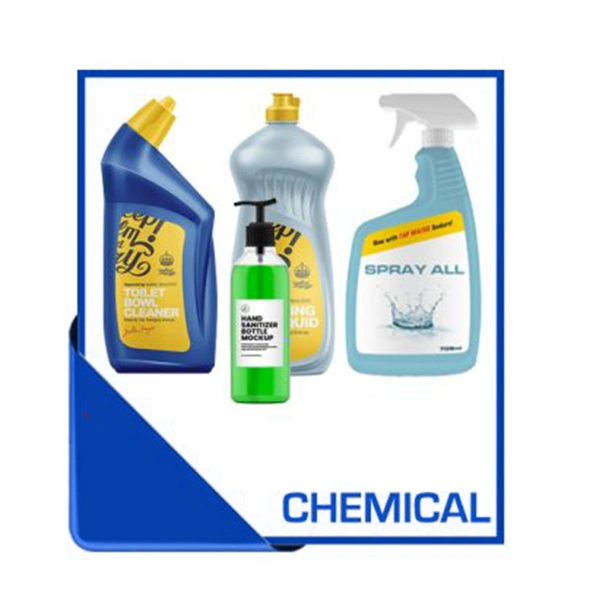
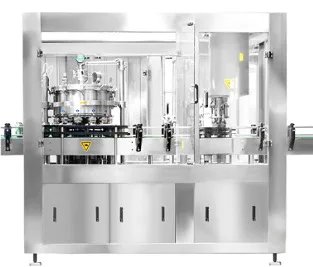
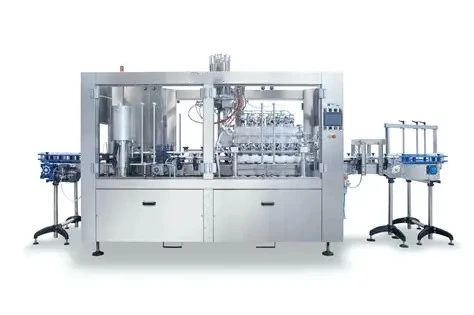
Bottling and filling systems fill liquid into bottles, cap them and label them on one line. They suit beverages, cosmetics and toiletries, chemicals and oils.
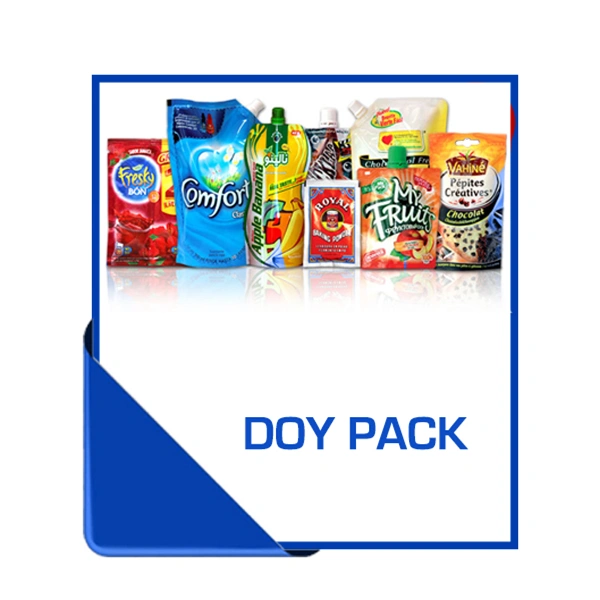
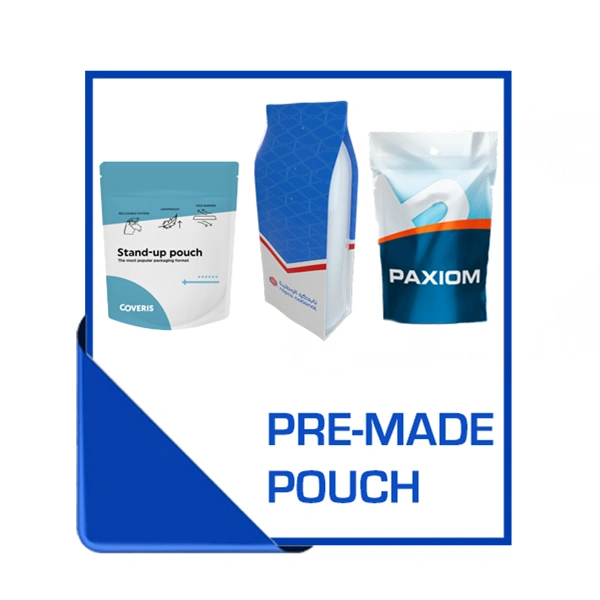
Pre-made pouch packaging opens, fills and seals pouches that arrive already made, rather than forming them from roll film. It suits printed stand-up pouches where branding and shelf appeal matter.
For every pouch machine, whether it forms pouches from roll film or fills pre-made ones, see pouch packaging machines.
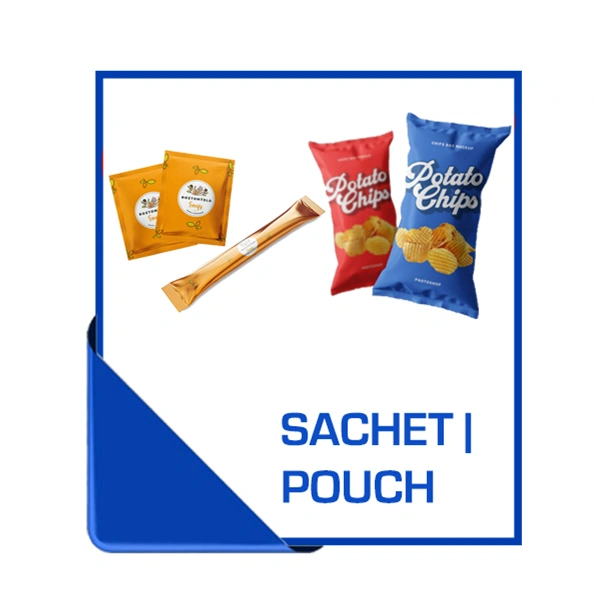
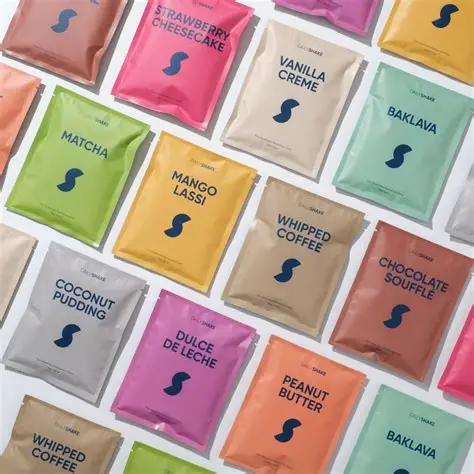
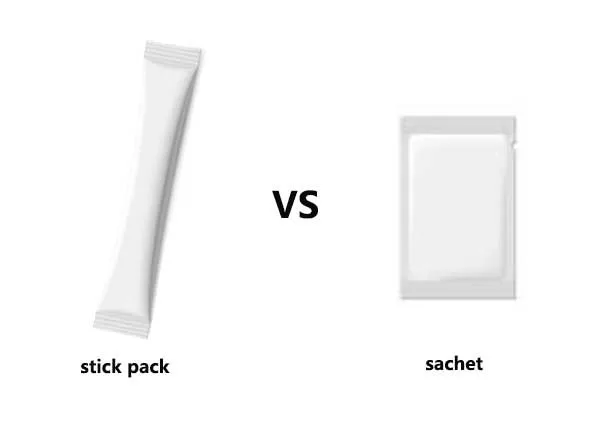
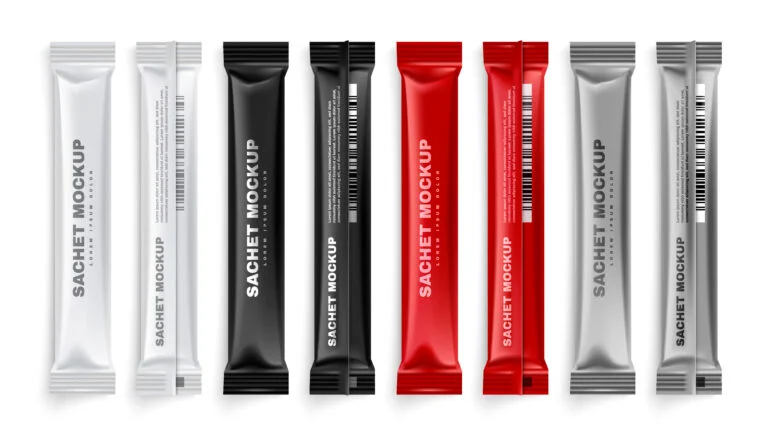
A sachet is a small, flat single-portion pack, and a stick pack is a long, narrow sachet. Both are formed from roll film, filled and sealed on a vertical or horizontal form fill seal machine. Multi-lane machines make several packs side by side for higher output. They suit sugar, coffee, sauces, creams and liquid medicines.
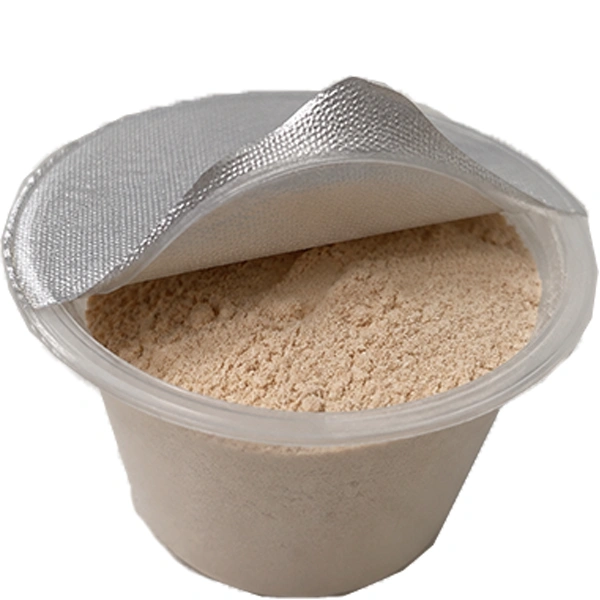
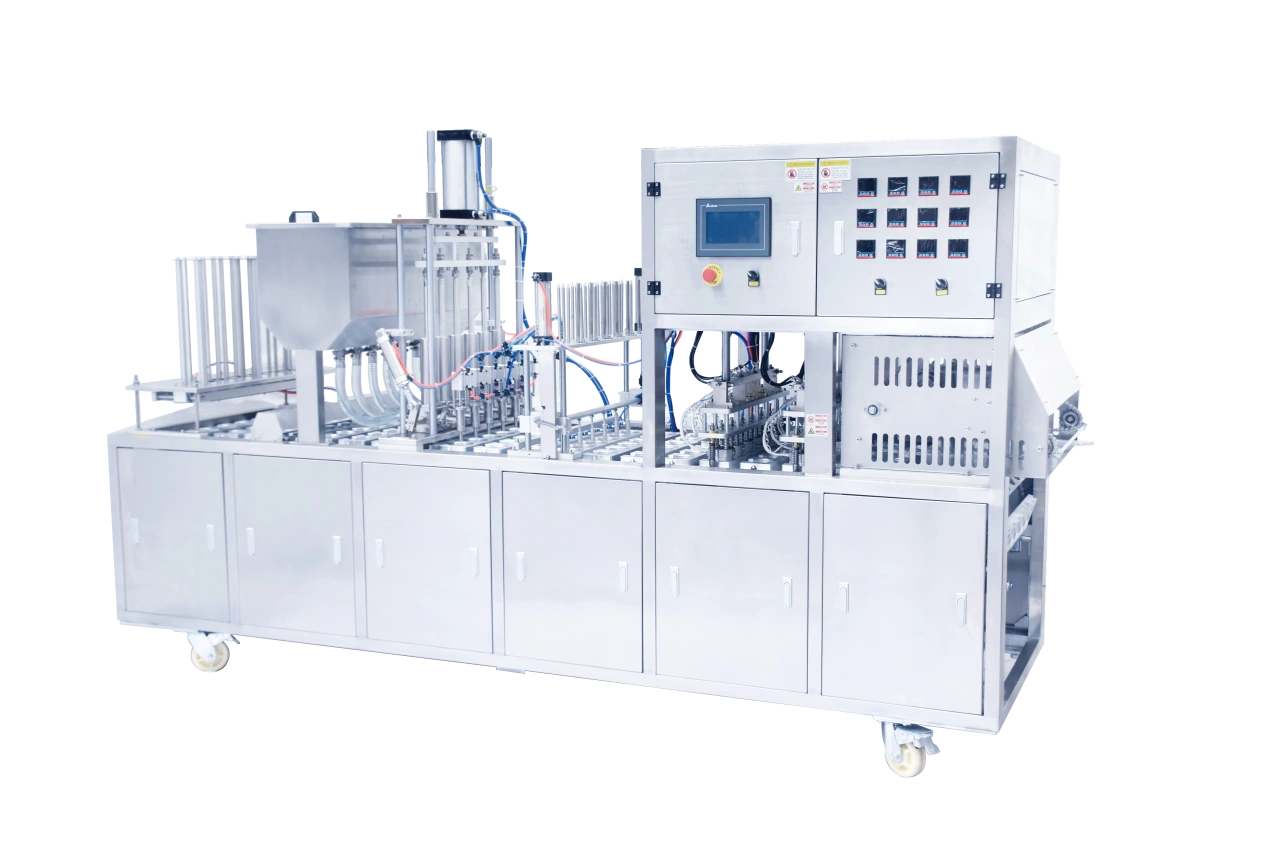
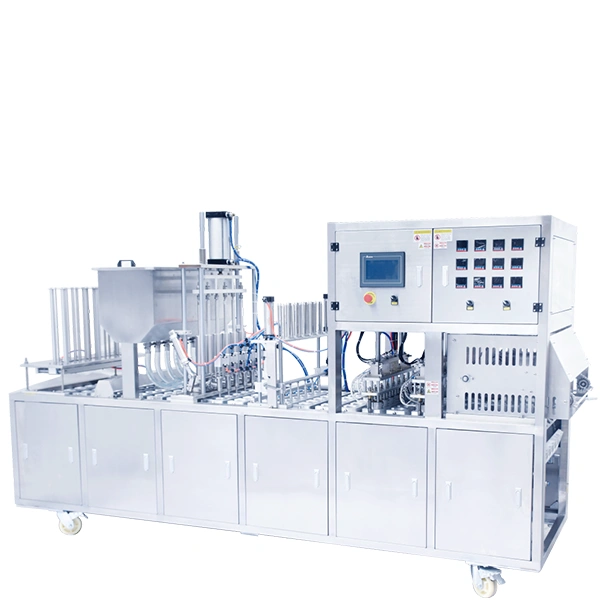
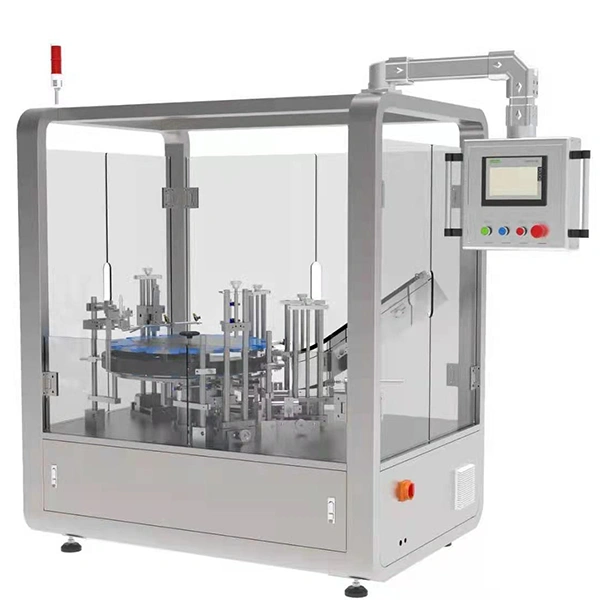
A cup sealing machine loads a pre-formed cup, fills it and heat-seals a foil or film lid across the top. It runs plastic, paper, PET and aluminium foil containers. It suits yoghurt, juice, water, powders and snacks.
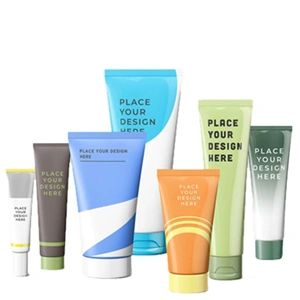
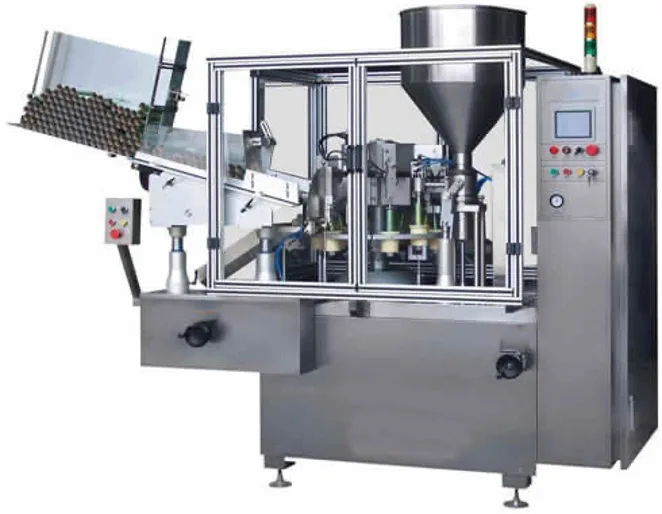
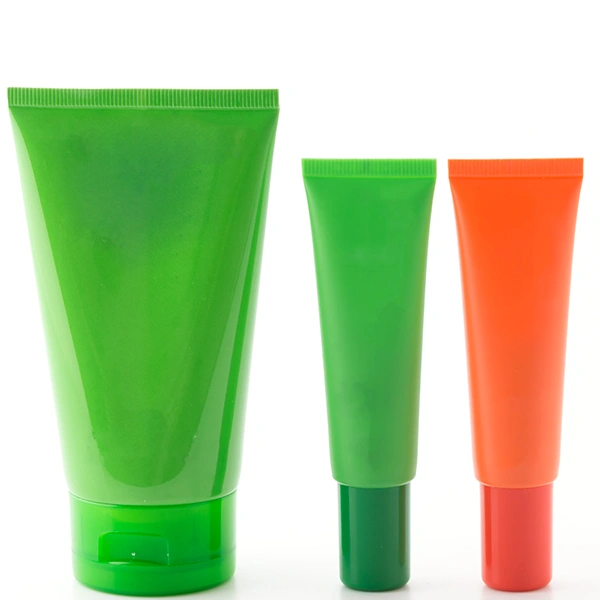
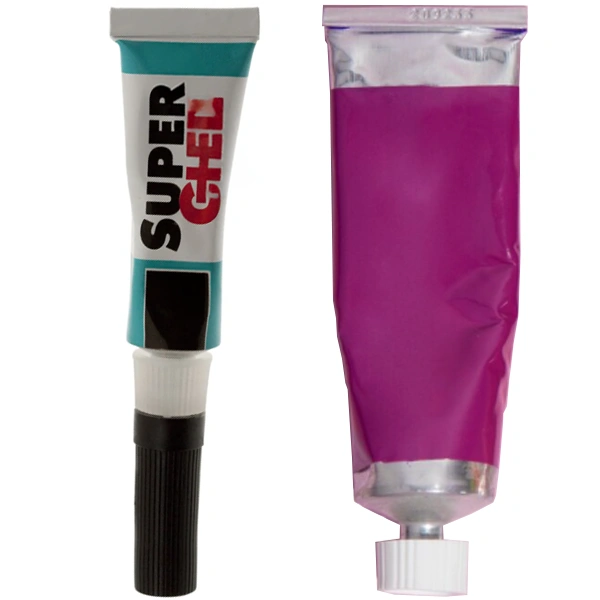
A tube filler and sealer loads a pre-formed tube, fills it to volume and seals the open end. Plastic and laminated tubes are heat-sealed, while aluminium tubes are folded and crimped shut. It suits creams, gels, ointments, pastes and liquids.
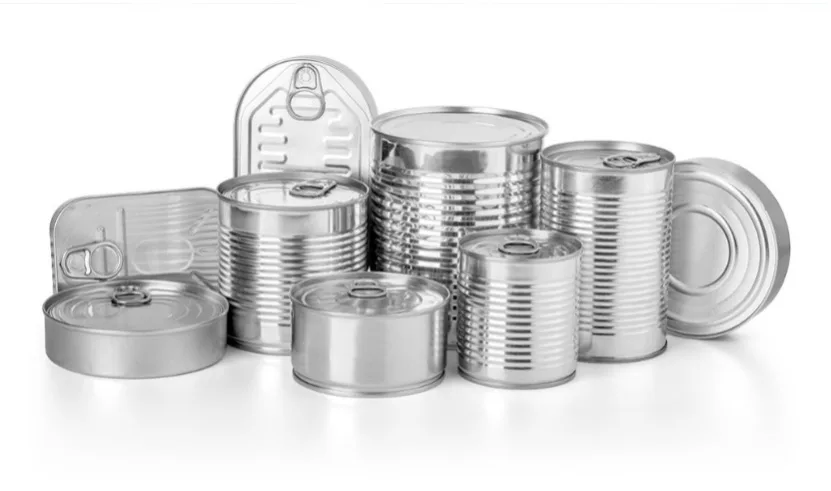
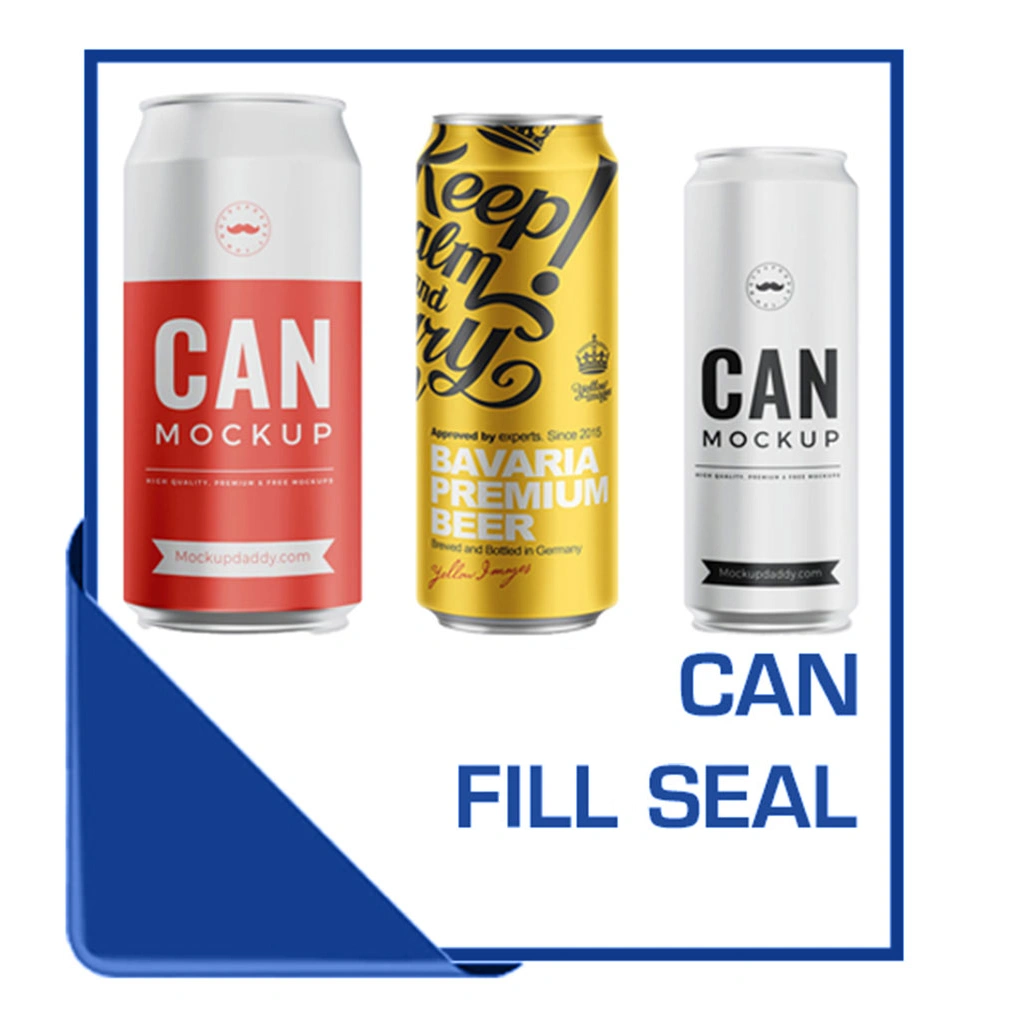
A can fill-seam machine fills the can and seams the lid on in one monoblock, with a double or triple seam. The filler is matched to the product: a measuring cup, multihead weigher, pump or auger. It suits beverages, canned food, powders and industrial fluids.
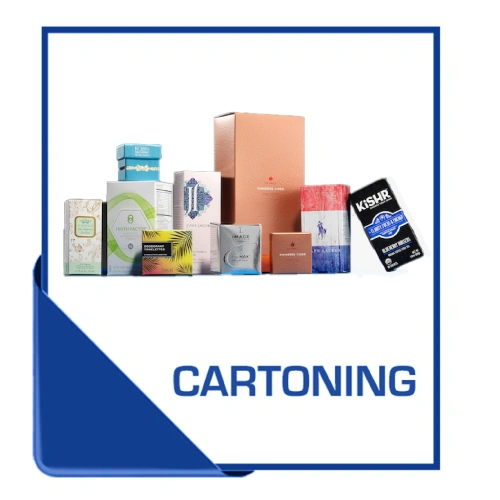
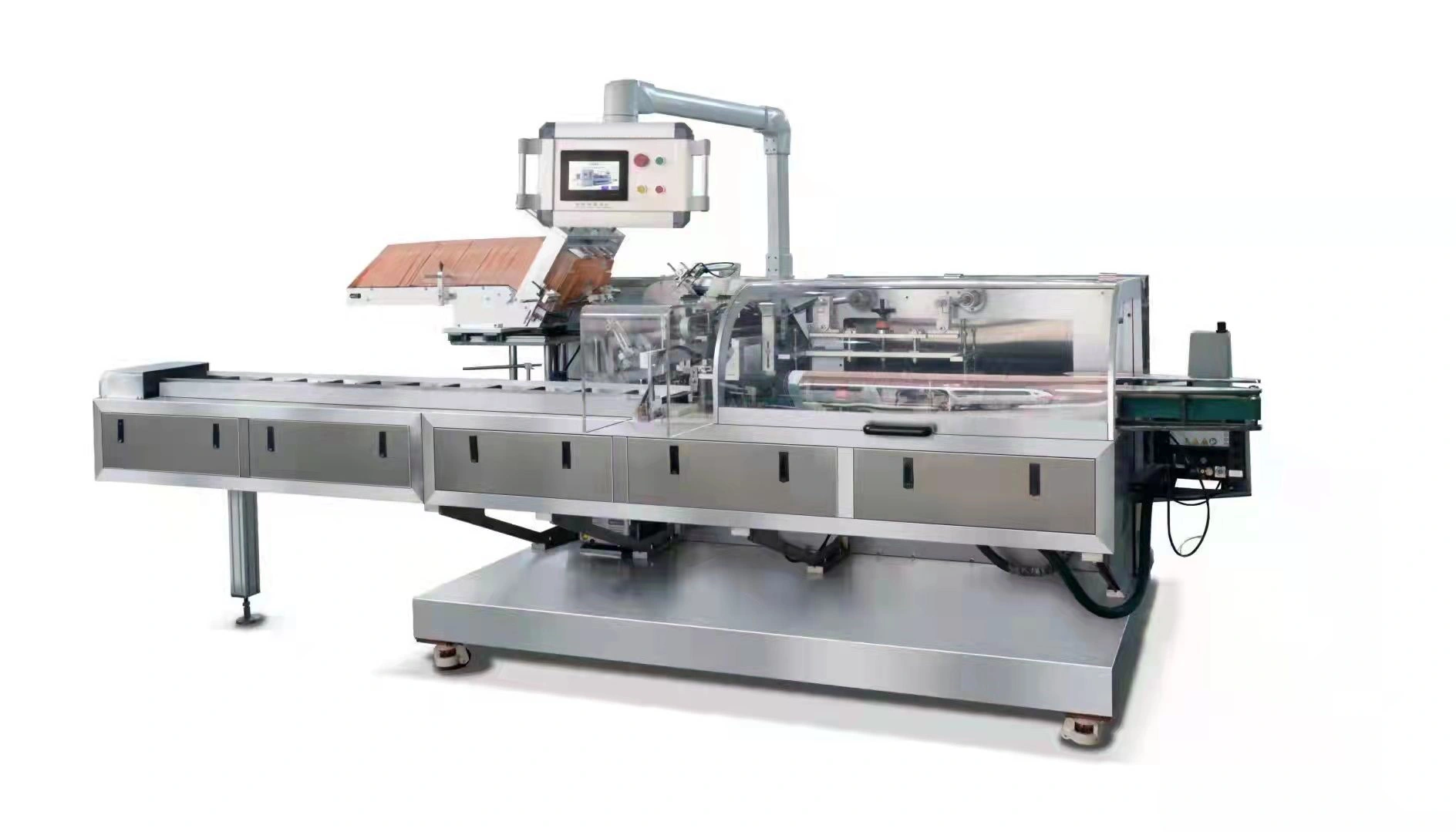
A cartoning machine erects a flat carton blank, loads the product, then closes the flaps and seals them with hot-melt glue or a tuck fold. It packs individual products, multipacks, retail-ready cartons and shipping cartons.
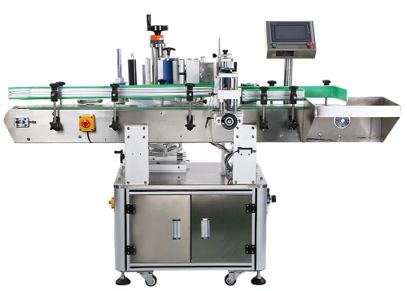
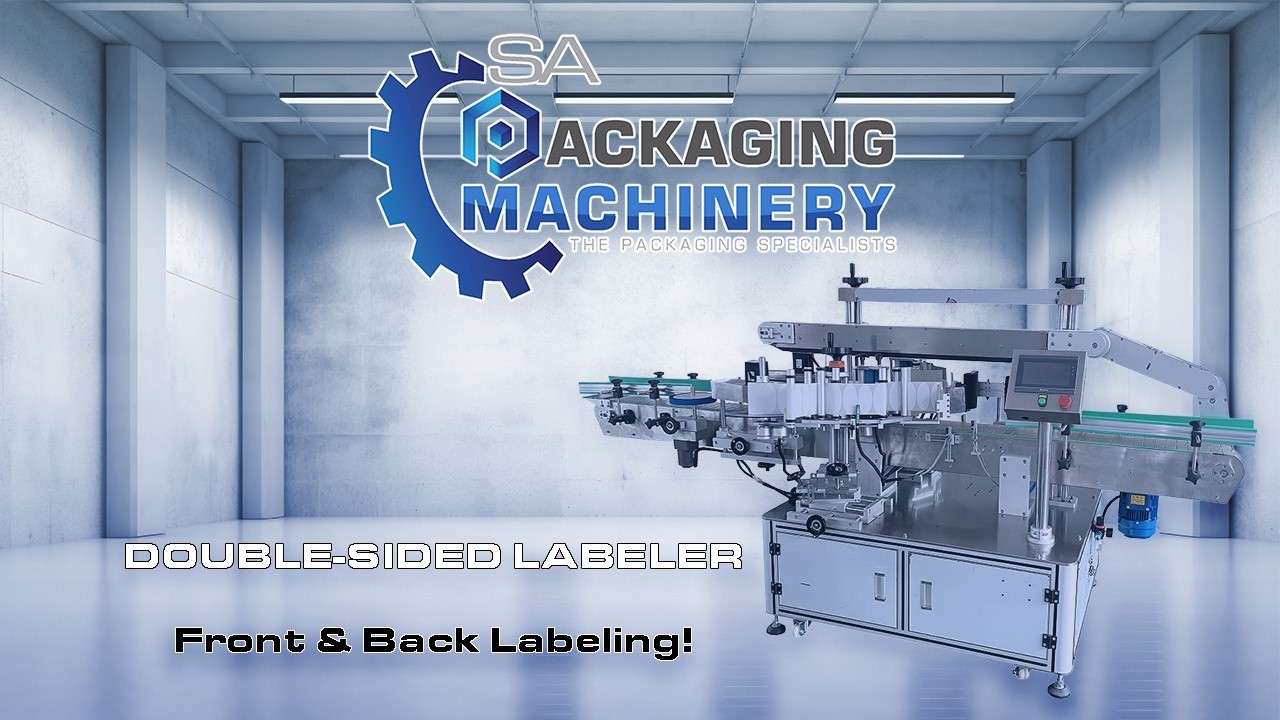
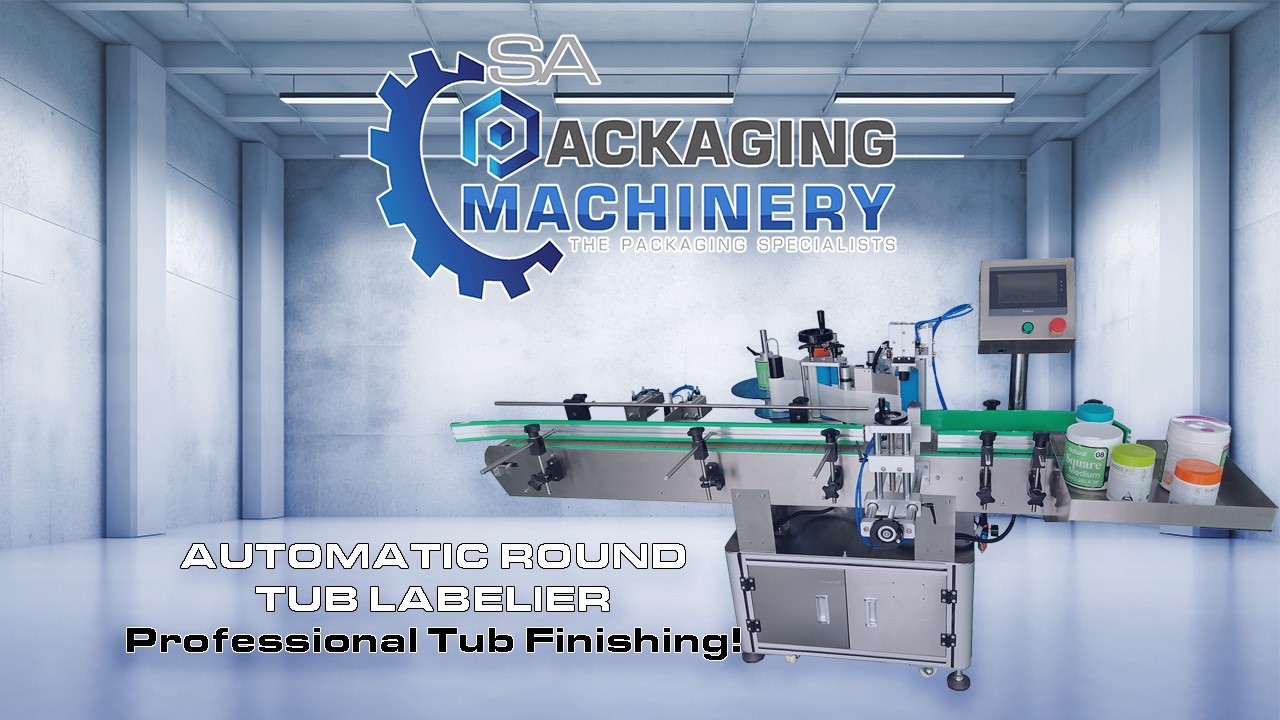
A labelling machine applies self-adhesive labels as a wrap-around, front-and-back or top label, depending on the container shape. A shrink sleeve labelling machine fits a printed sleeve over the container and shrinks it tight in a heat tunnel, for a full-body label or a tamper band.
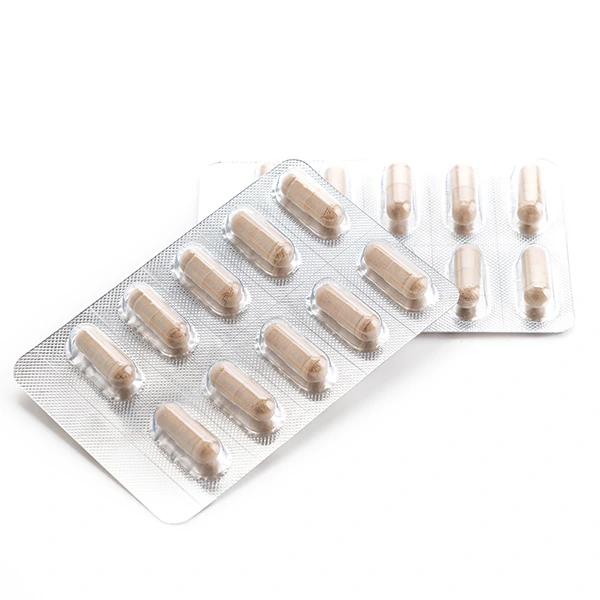
A blister and clamshell machine heats and forms plastic film into cavities, loads the product and seals it with a backing card or foil. It suits tablets, capsules, batteries, hardware, electronics and confectionery.
The right packaging type depends on the product’s size, shape, shelf life and the rules it has to meet. These factors decide it.
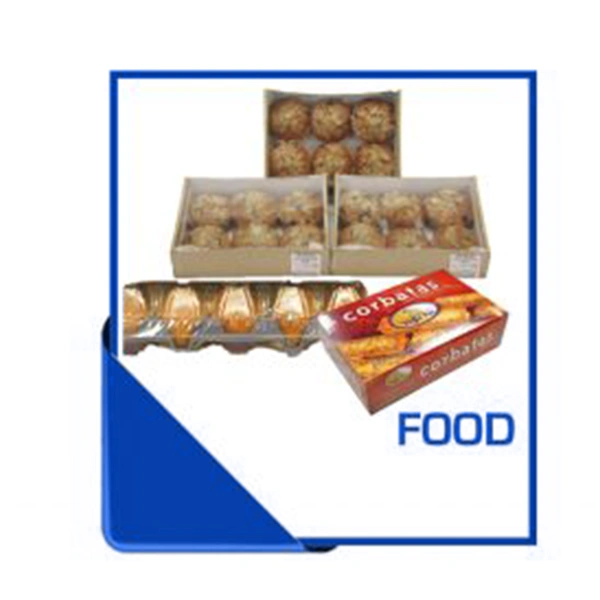
Packaging keeps out moisture, dust and contaminants in storage and transport. Vacuum packs extend the shelf life of perishable food, and flow wrap keeps snacks sealed.
The pack is often the first thing a customer sees. Stand-up pouches with printed film carry the brand and the product information on shelf.
The right packaging type cuts production time and waste. Automated shrink wrapping and form fill seal machines raise output and lower labour costs.
Many industries face packaging regulations and buyer demand for recyclable materials. The packaging type decides which films and materials you can use.
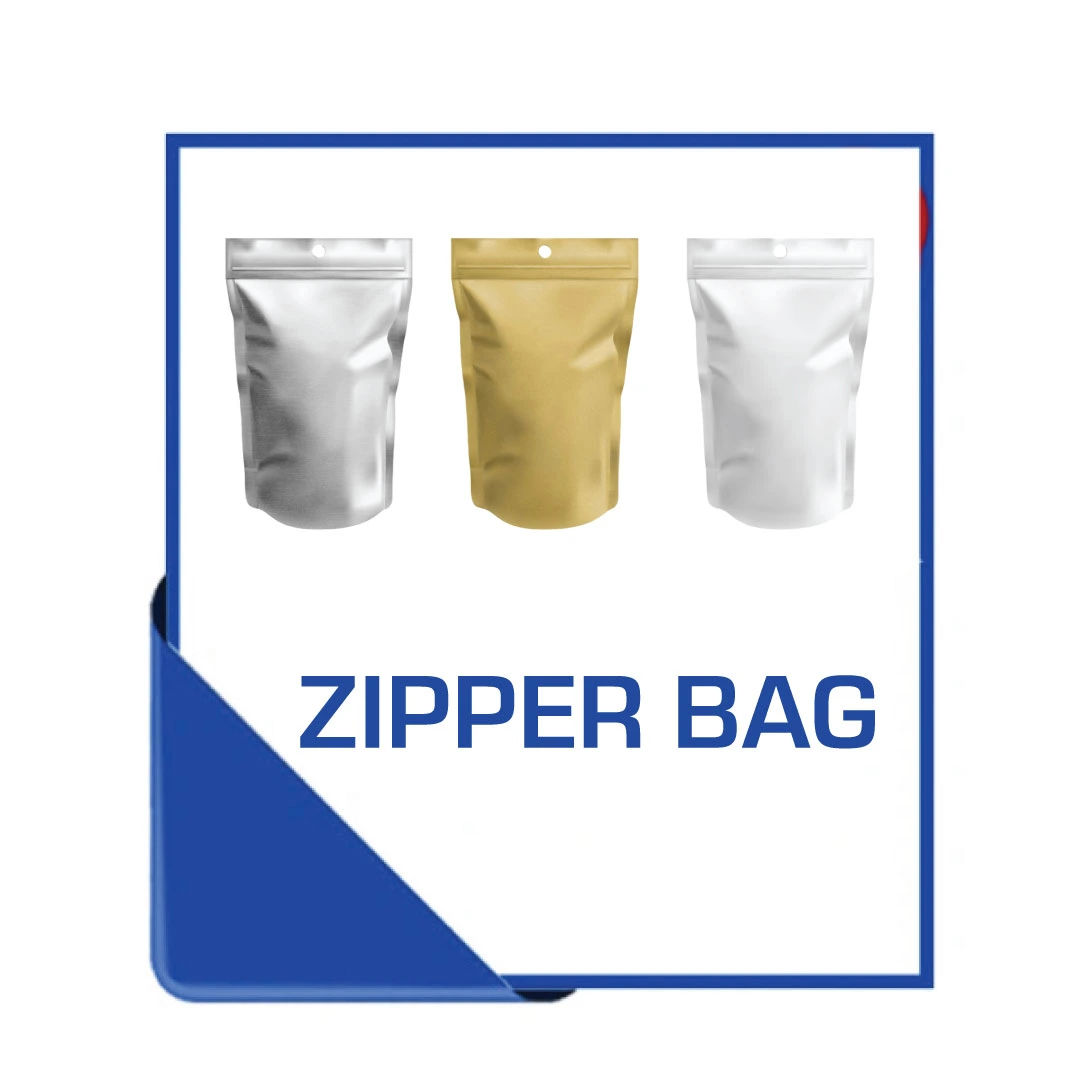
Some machines can, within limits. A vertical form fill seal machine makes pillow bags and, set up for it, sachets and stick packs. A horizontal form fill seal machine makes sachets, zipper bags and doy packs. A machine that fills cups or tubes does not make bags, so tell us every pack you plan to run before the machine is configured. The form fill seal machines page compares the machines that form their own packs.
Liquids are packed into bottles, sachets, pouches, cups, tubes and cans. Bottles suit drinks, chemicals and oils. Sachets suit single portions of sauces and gels, and cups suit juice, water and yoghurt. Tubes suit creams and gels, and cans suit beverages. The liquid filling machines page compares the machines for each.
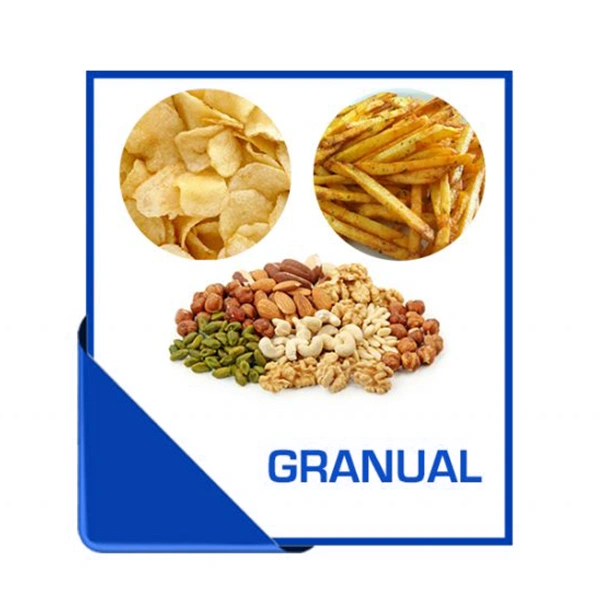
Powders and granules are packed into VFFS bags, sachets and stick packs, pouches, cups and cans. The filler is chosen to suit the product: an auger for powders, and a measuring cup or multihead weigher for free-flowing granules. See powder packaging machines and grain and granule packing machines.
Blister packs, crimped aluminium tubes and shrink sleeve tamper bands all show tampering. A blister and clamshell machine seals the product into formed plastic under a backing card or foil. An aluminium tube is closed with a folded, crimped seal. A shrink sleeve tamper band is a narrow sleeve shrunk over the cap or neck of a filled bottle.
Printed stand-up pouches, full-body shrink sleeves and printed cartons give the most space for branding. A pre-made pouch machine fills pouches printed in advance. A shrink sleeve gives a 360-degree label that follows the shape of the container. A cartoning machine packs the product into a retail-ready box.
Tell us what you pack, whether it is a liquid, powder or solid, and the output you need. We will recommend the packaging type and the machine that makes it. You can also send samples to our Riversands showroom for a trial run.